
Operations order
A veteran-focused guide to three-team rotations, cash preservation, support tempo, vehicle timing, and leaving fights before the map punishes you. Read this as a squad order: name the objective, identify the cash or vehicle pressure, and decide the exit before the next control window moves. It draws from public WARDOGS material, so final role names, costs, and weapon values stay out until Early Access evidence exists.
Review the Steam Store baseline before locking a loadout plan.
Advanced WARDOGS play should be judged by map control, not scoreboard noise. In a three-team objective shooter, the team that wins the loudest fight can still lose the match if it spends too much cash, arrives late to the next control zone, or lets a third team collapse onto the exit lane.
The first veteran habit is leaving early. A squad that disengages with revives, transport, and cash intact can turn one good fight into two objective windows. A squad that stays to finish every elimination often gives the next team a free rotation and arrives with no reset plan.
Cash should be treated as tempo. Buy tools that solve the next problem: transport for timing, support for staying power, anti-vehicle pressure for a known armor threat, or breacher utility for a specific lane. Expensive gear without a job is just delayed regret.
Vehicle timing separates organized squads from roaming players. A vehicle is valuable when it moves the squad into a control window, extracts a team from a dying lane, or forces enemies to respect a route. It is a liability when it announces the plan before infantry is ready.
Support players become more important at higher coordination levels because they preserve squad economy. Revives, safe exits, and rebuild windows are not passive work; they are the reason a team can keep pressure after a bad trade.
After public tests, this page should add named map rotations, common third-team collapse patterns, vehicle counter timings, and examples of fights that should be abandoned. Until then, the safest veteran advice is to connect every decision to tempo, cash, and the next objective.
| Guide angle | Practical recommendation | Why it matters |
|---|---|---|
| Veteran habit | Leave fights early when the next control window is more valuable than finishing eliminations. | Three-team pressure punishes squads that win late and rotate dead. |
| Cash rule | Spend only when the purchase solves a known objective problem. | Cash is tempo, not a cosmetic confidence meter. |
| Vehicle rule | Use transport to change arrival timing, exits, and map pressure. | Vehicles are strongest when infantry is ready to use the space they create. |
Action checklist
- Leave winning fights when the next zone matters more.
- Spend cash to create tempo, not to decorate a loadout.
- Use vehicles as map control tools, not highlight reels.
Operations decision
This operations note answers the decision behind WARDOGS advanced guide: what current official material supports, what a squad can prepare now, and which live values must wait for an Early Access source.
Related database entries
Video evidence to review
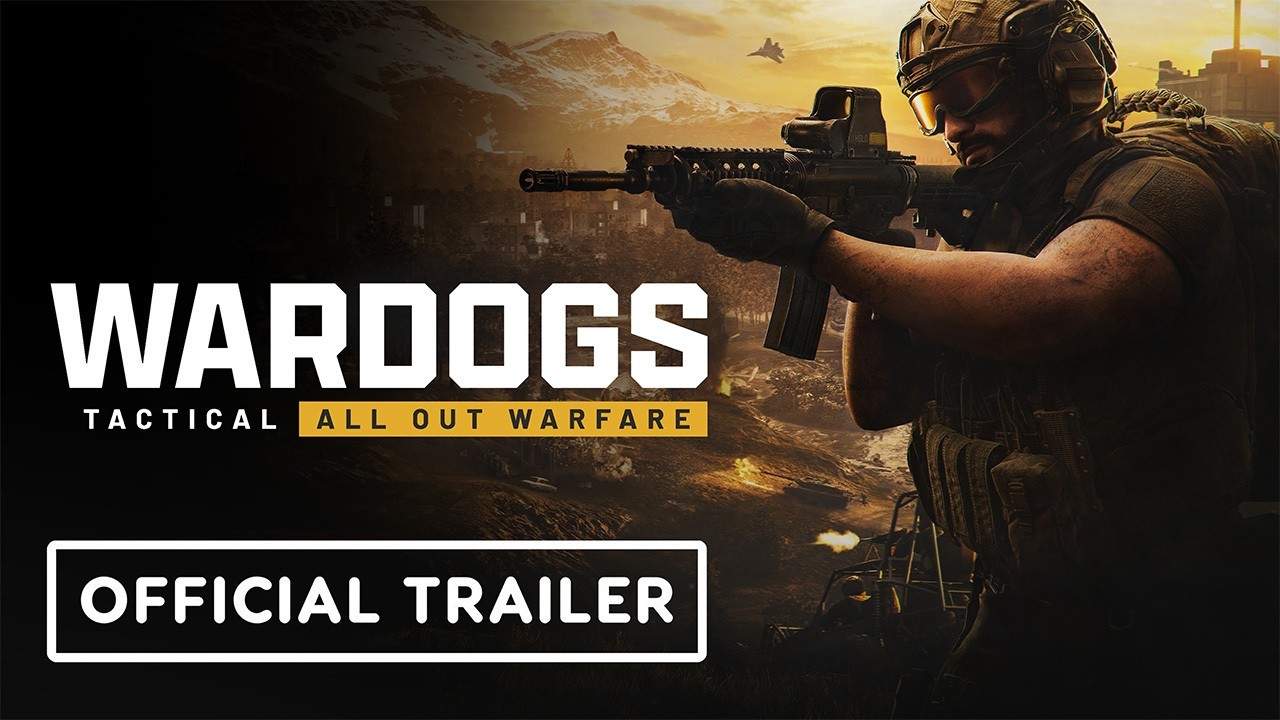
Start with Reveal Trailer in the media hub and compare the visible UI, movement, combat pacing, and release-date cards against this guide. The embed is credited and loaded from YouTube.
Update checklist
- Replace cautious pre-launch language when an official patch note, class page, weapon page, or map page confirms the detail.
- Add timestamped video references only from embeddable public footage or credited source material.
- Keep rankings editorial and date-stamped so players can tell analysis from official balance information.